
 English
 русский
 Français
 Español
 Deutsch
 عربى
عربى


Best Vintage Nonwoven Wallpapers: Style & Guide
Content
The Perfect Fusion of Style and Practicality
The best vintage nonwoven wallpapers combine nostalgic aesthetic appeal with modern material durability, offering a superior alternative to traditional paper or vinyl options. Nonwoven substrates are breathable, dimensionally stable, and resistant to mold, making them ideal for preserving intricate vintage designs without the risk of peeling or warping. This material allows for high-definition printing of classic patterns, from Victorian damasks to Mid-Century Modern geometrics, ensuring that the visual depth and texture of historical styles are captured accurately.
For homeowners and designers, choosing nonwoven vintage wallpaper means investing in a product that is not only beautiful but also easy to install and remove. The "paste-the-wall" technique simplifies the application process, reducing mess and allowing for precise alignment of complex patterns, which is crucial for maintaining the integrity of vintage repeats.
Top Vintage Design Trends in Nonwoven
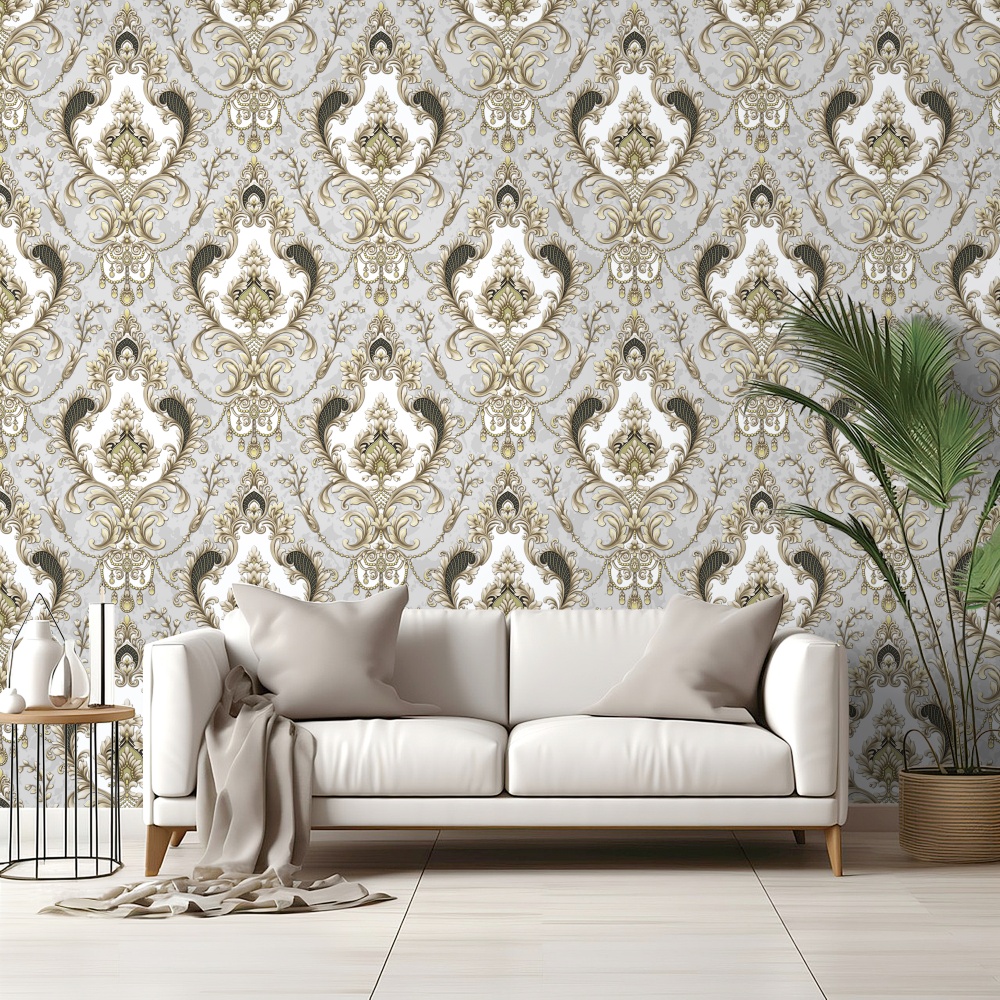
Vintage nonwoven wallpapers cover a broad spectrum of historical eras, each offering unique character. Victorian and Edwardian damasks remain popular for their ornate elegance, often printed in muted tones like sage green, dusty rose, or charcoal to suit contemporary interiors. These designs benefit from the matte finish of nonwoven materials, which reduces glare and enhances the perception of depth.
Mid-Century and Art Deco Influences
For a more modern vintage look, Art Deco geometric patterns and Mid-Century Modern atomic motifs are widely available in nonwoven formats. These designs often feature bold lines and contrasting colors, which print sharply on the smooth nonwoven surface. The durability of the material ensures that these high-contrast patterns remain vibrant over time, resisting fading from indirect sunlight better than traditional papers.
| Era/Style | Key Features | Best Room Application |
|---|---|---|
| Victorian Damask | Ornate, floral, symmetrical | Dining Rooms, Hallways |
| Art Deco | Geometric, bold, metallic accents | Living Rooms, Entryways |
| Mid-Century Modern | Atomic, abstract, organic shapes | Bedrooms, Offices |
| Shabby Chic | Distressed, pastel, floral | Bedrooms, Nurseries |
Advantages of Nonwoven Substrates
Nonwoven wallpaper is made from a blend of natural and synthetic fibers that are bonded together rather than woven. This structure provides several key benefits over traditional paper. First, it is dimensionally stable, meaning it does not expand when wet or shrink when dry. This prevents gaps from forming between strips after installation, a common issue with vintage-style papers that rely on precise pattern matching.
Breathability and Mold Resistance
The porous nature of nonwoven material allows walls to breathe, preventing moisture from getting trapped behind the wallpaper. This significantly reduces the risk of mold and mildew growth, making it an excellent choice for older homes with solid walls or areas with fluctuating humidity. Additionally, the material is tough and tear-resistant, making it durable enough for high-traffic areas.
- Easy to install using the "paste-the-wall" method.
- Strippable removal leaves no residue on the wall.
- Hides minor wall imperfections better than thin paper.
Installation and Maintenance Tips
Installing vintage nonwoven wallpaper is straightforward but requires attention to detail, especially with complex patterns. Always check the batch number to ensure color consistency across rolls. Use a sharp utility knife for trimming and a smoothing brush to remove air bubbles. Since the material is robust, it can be gently wiped with a damp cloth to remove dust or minor stains, preserving the vintage look without damaging the print.
Pattern Matching Strategies
Vintage designs often have large repeats, which can lead to higher waste during installation. To minimize this, measure your wall height carefully and plan your cuts before pasting. Matching patterns at eye level is crucial for visual harmony, so start hanging from the center of the wall or a focal point and work outward. This ensures that any mismatched edges are hidden in corners or behind furniture.
- Prepare walls by filling cracks and sanding smooth.
- Use a primer to ensure even adhesion and easier future removal.
- Allow paste to soak if required, though most nonwovens are paste-the-wall.
Choosing the Right Finish for Your Space
The finish of the wallpaper affects both its appearance and durability. Matte finishes are ideal for vintage looks as they mimic the appearance of traditional paper and reduce light reflection, hiding wall imperfections. However, for kitchens or bathrooms, a washable or scrubbable finish is recommended. Many nonwoven wallpapers come with a protective coating that allows for gentle cleaning without compromising the vintage aesthetic.
Selecting the best vintage nonwoven wallpaper involves balancing historical accuracy with modern performance. By choosing high-quality nonwoven materials, you ensure that your vintage-inspired space remains beautiful, durable, and easy to maintain for years to come.
EXCLUSIVE ACCESS TO PRODUCTS,
OFFERS AND INSPIRATION
-
Quick Links
Wallpapers Customize Our Story Factory News Contact Us -
Contact Us
+86-19157608277 [email protected] Room 509, T2, Fuyi Garden Center, Shangcheng District, Hangzhou City, Zhejiang Province, China

 Eco Friendly Wallpaper Manufacturer Hotel Wallpaper Supplier