
 English
 русский
 Français
 Español
 Deutsch
 عربى
عربى


Classic PVC Wallpapers: Durability, Styles & Installation Guide
Content
The Enduring Appeal of Classic PVC Wallpapers
Classic PVC wallpapers remain a dominant choice in interior design due to their exceptional durability and versatility. Unlike delicate paper-based alternatives, PVC (Polyvinyl Chloride) coated wallpapers offer a robust barrier against wear, moisture, and stains. The primary advantage is their ability to withstand high-traffic environments while maintaining aesthetic appeal, making them ideal for kitchens, bathrooms, and commercial spaces. PVC wallpapers can last up to 15 years with proper care, significantly outlasting standard paper variants.
This article explores the structural composition of PVC wallpapers, their practical benefits, and how to select the right style for your space. By understanding these factors, homeowners and designers can make informed decisions that balance beauty with functionality.
Composition and Structural Advantages
Classic PVC wallpapers are engineered with a multi-layer structure that enhances their performance. Understanding this composition helps in appreciating why they are superior for demanding applications.
The Vinyl Layer
The top layer consists of a vinyl film that provides water resistance and scrubability. This layer protects the printed design underneath from abrasion and moisture. High-quality PVC wallpapers undergo rigorous testing, often achieving a scrub resistance rating of Class 3 or higher, meaning they can be cleaned with mild detergents without damaging the surface.
Backing Materials
The backing can be made of paper or non-woven fabric. Non-woven backings are increasingly popular as they are dimensionally stable, breathable, and easier to hang. They allow moisture vapor to escape, reducing the risk of mold growth behind the wallpaper. Paper backings, while traditional, may expand when wet, requiring more precise installation techniques.
| Backing Type | Durability | Installation Ease | Breathability |
|---|---|---|---|
| Paper Backed | Moderate | Requires Soaking | Low |
| Non-Woven | High | Paste-the-Wall | High |
Design Versatility and Aesthetic Options
Classic PVC wallpapers offer an extensive range of designs, from realistic textures to intricate patterns. The printing technology allows for high-definition images and embossed effects that mimic natural materials.
Textured and Embossed Finishes
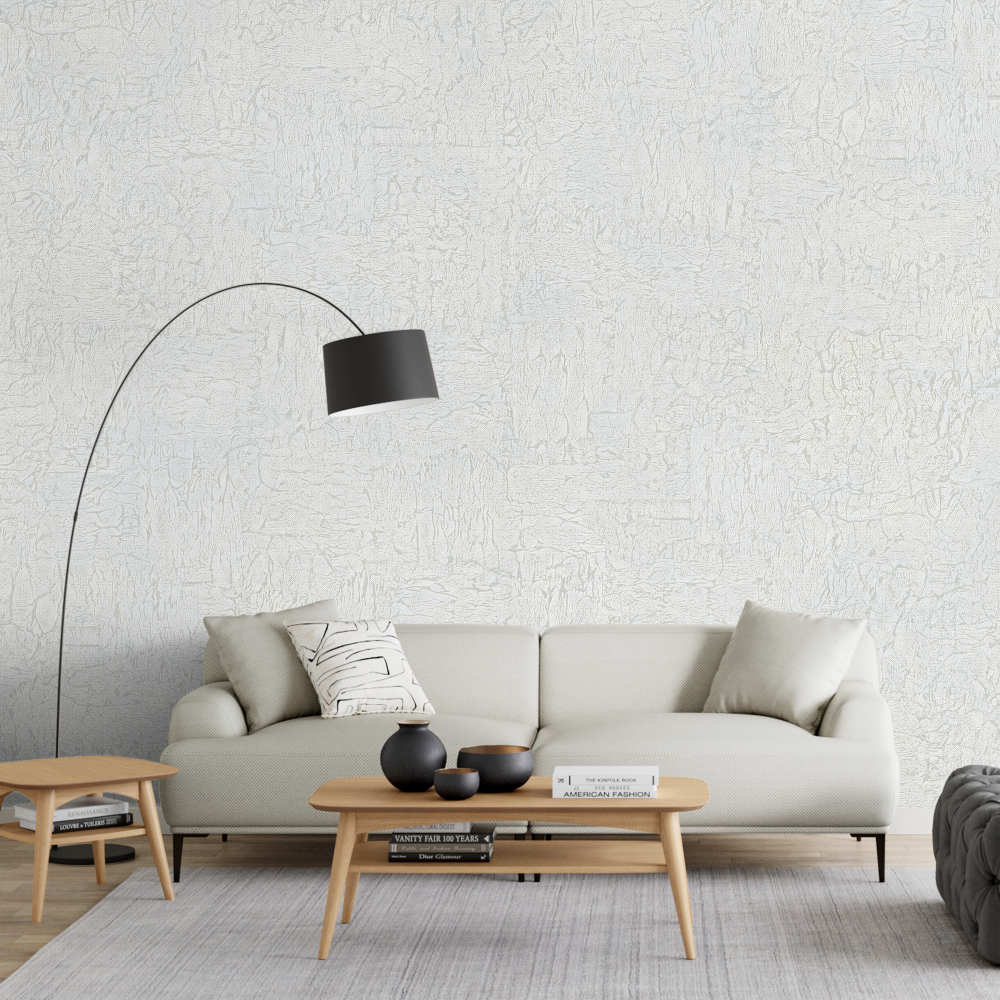
Embossing adds depth and tactile quality to the wallpaper. Common textures include faux brick, wood grain, linen, and leather. These finishes not only enhance visual interest but also help conceal minor imperfections in wall surfaces. A heavily embossed PVC wallpaper can mask cracks and uneven plaster, reducing the need for extensive wall preparation.
Pattern and Color Stability
PVC coatings protect the ink from UV radiation, ensuring that colors remain vibrant over time. High-quality PVC wallpapers are rated for lightfastness, meaning they resist fading even in sunlit rooms. This makes them suitable for living areas and conservatories where exposure to natural light is significant.
- Realistic Prints: Advanced rotogravure printing creates lifelike representations of marble, concrete, and textiles.
- Custom Designs: Digital printing allows for bespoke patterns tailored to specific interior themes.
- Color Consistency: Batch-controlled production ensures uniform color across multiple rolls.
Installation and Maintenance Best Practices
Proper installation and maintenance are crucial for maximizing the lifespan of classic PVC wallpapers. Following industry standards ensures a seamless finish and easy upkeep.
Installation Techniques
For non-woven backed PVC wallpapers, the "paste-the-wall" method is recommended. Apply adhesive directly to the wall, then hang the dry paper. This prevents over-expansion and makes positioning easier. For paper-backed types, soaking the strips in water or applying paste to the back is necessary. Always use a spirit level to ensure vertical alignment and smooth out air bubbles with a plastic smoother.
Cleaning and Care
One of the key benefits of PVC wallpapers is their ease of cleaning. Most stains can be removed with a damp cloth and mild soap. Avoid abrasive scrubbers or harsh chemicals, which may damage the vinyl layer. For grease spots in kitchens, a degreaser diluted with water works effectively. Regular dusting with a soft brush keeps the texture looking fresh.
EXCLUSIVE ACCESS TO PRODUCTS,
OFFERS AND INSPIRATION
-
Quick Links
Wallpapers Customize Our Story Factory News Contact Us -
Contact Us
+86-19157608277 [email protected] Room 509, T2, Fuyi Garden Center, Shangcheng District, Hangzhou City, Zhejiang Province, China

 Eco Friendly Wallpaper Manufacturer Hotel Wallpaper Supplier