
 English
 русский
 Français
 Español
 Deutsch
 عربى
عربى


Vintage Nonwoven Wallpapers: Style, Durability & Installation Guide
Content
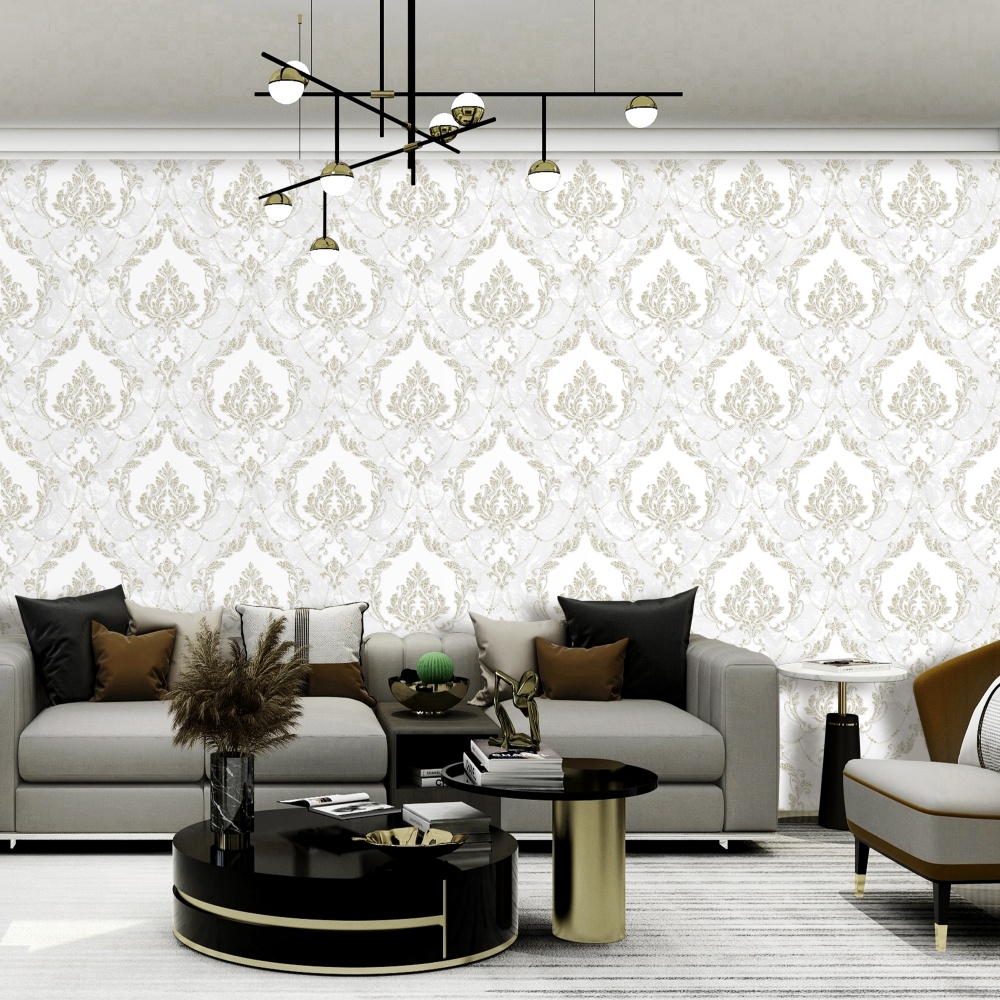
Vintage nonwoven wallpapers offer the perfect synthesis of historical aesthetic charm and modern technological convenience. These wallpapers provide a durable, breathable, and easy-to-install solution for achieving classic looks like damask, toile, or distressed brick without the maintenance headaches of traditional paper. By combining a robust nonwoven backing with high-quality vintage-inspired prints, homeowners can enjoy the elegance of past eras while benefiting from materials that resist tearing, mold, and fading.
The Advantage of Nonwoven Backing
The term "nonwoven" refers to the substrate material used in the wallpaper’s construction. Unlike traditional paper wallpapers that are made from wood pulp sheets, nonwoven wallpapers are composed of a blend of natural and synthetic fibers bonded together. This structural difference offers significant practical benefits.
Dimensional Stability and Breathability
One of the primary issues with traditional paper wallpaper is its tendency to expand when wet and shrink as it dries, leading to gaps at the seams. Nonwoven wallpapers are dimensionally stable, meaning they do not expand or contract significantly during installation. Additionally, the porous nature of the fiber blend allows walls to breathe, reducing the risk of trapped moisture and mold growth behind the paper. This makes them ideal for older homes with solid masonry walls that need to regulate humidity.
Durability and Tear Resistance
The fibrous structure of nonwoven backing provides superior tensile strength. These wallpapers are highly resistant to tearing and scratching, making them suitable for high-traffic areas such as hallways, living rooms, and even commercial spaces. Unlike delicate vintage reproductions on thin paper, nonwoven variants can withstand minor impacts and cleaning without damage.
Aesthetic Versatility of Vintage Designs
Vintage nonwoven wallpapers are not limited to a single style. Modern printing technologies allow for intricate reproductions of historical patterns with enhanced depth and texture.
Popular Vintage Patterns
From the ornate florals of the Victorian era to the geometric art deco styles of the 1920s, there is a vintage design for every taste. Damask and Toile de Jouy patterns remain perennial favorites, offering a sense of grandeur and sophistication. For a more rustic look, distressed wood plank or aged brick designs printed on nonwoven material provide the texture of reclaimed materials without the weight or cost.
Texture and Finish
Many vintage nonwoven wallpapers feature embossed textures that mimic fabric, plaster, or stone. This tactile element adds depth to the room, creating a more immersive historical atmosphere. The matte finishes commonly used in vintage collections help hide wall imperfections, providing a smoother visual appearance than glossy alternatives.
Installation and Maintenance Ease
The user-friendly nature of nonwoven wallpapers makes them a favorite among both professional decorators and DIY enthusiasts.
| Feature | Nonwoven Wallpaper | Traditional Paper |
|---|---|---|
| Paste Application | Paste-the-Wall | Paste-the-Paper |
| Expansion/Shrinkage | Minimal | High |
| Removability | Dry Strippable | Requires Soaking/Scraping |
| Durability | High (Tear Resistant) | Low (Fragile) |
Paste-the-Wall Method
Most vintage nonwoven wallpapers utilize the "paste-the-wall" technique. Instead of applying adhesive to the back of the paper and waiting for it to soak, you apply paste directly to the wall. This method reduces mess and installation time by up to 50%, as the dry paper is lighter and easier to handle. It also eliminates the risk of over-soaking the paper, which can cause pattern distortion.
Easy Removal and Cleaning
When it comes time to redecorate, nonwoven wallpapers are remarkably easy to remove. They are typically "dry strippable," meaning you can peel the entire sheet off the wall in one piece without leaving residue or damaging the plaster underneath. For maintenance, most vintage nonwoven wallpapers are washable, allowing you to gently wipe away dust or stains with a damp cloth and mild detergent.
Choosing the Right Vintage Nonwoven Wallpaper
Selecting the perfect wallpaper involves considering the room’s function, lighting, and existing decor.
- Scale of Pattern: Large-scale vintage patterns work well in spacious rooms with high ceilings, while smaller repeats are better suited for compact spaces like powder rooms or bedrooms.
- Color Palette: Authentic vintage colors often include muted tones like sage green, dusty rose, and navy blue. These subdued hues create a calming atmosphere and pair well with both antique and modern furniture.
- Lighting Conditions: In rooms with limited natural light, choose lighter vintage patterns to keep the space feeling open. Darker, dramatic designs can add coziness to well-lit areas.
- Sample Testing: Always order a sample before committing. Observe how the color and texture change throughout the day under different lighting conditions.
EXCLUSIVE ACCESS TO PRODUCTS,
OFFERS AND INSPIRATION
-
Quick Links
Wallpapers Customize Our Story Factory News Contact Us -
Contact Us
+86-19157608277 [email protected] Room 509, T2, Fuyi Garden Center, Shangcheng District, Hangzhou City, Zhejiang Province, China

 Eco Friendly Wallpaper Manufacturer Hotel Wallpaper Supplier