
 English
 русский
 Français
 Español
 Deutsch
 عربى
عربى


Sustainable Wallpaper: A Practical Guide to Eco-Friendly Materials and Smart Buying
Content
- 1 What Actually Makes Wallpaper Sustainable?
- 2 Why Nonwoven Wallpapers Are the Safer Default
- 3 Peel-and-Stick: A Low-Waste Option for Changing Spaces
- 4 Grasscloth and Natural-Fibre Wallpapers: Consider the Trade-Offs
- 5 What to Check Before You Commit
- 6 Matching Wallpaper to the Project
- 7 The Long-Term Cost Argument
A hotel buyer once told our production team that choosing sustainable wallpaper meant giving up something: durability, design choice, or budget. In practice, that trade-off is outdated. You can now specify wall coverings that are lower in harmful emissions, easy to remove, and durable enough for busy public spaces. The whole discussion comes down to three decisions: the substrate, the printing process, and the supplier’s ability to document what happens at the factory. As a rule of thumb, nonwoven and peel-and-stick wallpapers are the strongest starting points for an eco-friendly specification. This guide explains why those materials work, what to check before you order, and how to match the choice to your project.
What Actually Makes Wallpaper Sustainable?
Wallpaper sustainability is not a single label. It is the result of material choices, production methods, and what happens at the end of the product’s life. The base substrate carries the heaviest environmental weight, but inks, adhesives, and packaging all contribute to the final footprint.
The most common substrate in the wallcovering market is still PVC-backed paper. It resists moisture and holds up well in high-traffic areas, but PVC depends on plasticisers, is difficult to recycle through normal streams, and releases more chemicals during production and disposal. For a genuinely sustainable specification, look for substrates that avoid PVC altogether, such as nonwoven fibre blends or self-adhesive films.
The production process matters as much as the base material. Water-based inks keep VOC emissions low; solvent-based inks are more durable but introduce indoor air quality concerns. The adhesive system also changes the picture. Wallpaper that requires a separate paste, or that carries its own carefully controlled adhesive layer, can be installed and removed with far less chemical exposure than traditional methods.
| Factor | What to Check | Why It Matters |
|---|---|---|
| Substrate | PVC-free; natural-fibre or nonwoven base | Reduces plastic content and improves breathability |
| Inks | Water-based, low-VOC inks | Better indoor air quality and less chemical waste |
| Adhesive | Direct paste or removable backing | Reduces mess, speeds installation, allows clean removal |
| Durability | Abrasion resistance and colour fastness | Longer service life means fewer redecorating cycles |
| End of life | Can the material be dry-stripped? | Clean removal supports renovation without demolition |
Lifespan is the factor people overlook. A wallpaper that lasts five years but is difficult to remove creates a bigger environmental burden than one that lasts three years and comes off in a single dry sheet. Design your specification around the full renovation cycle, not just the first installation.
Why Nonwoven Wallpapers Are the Safer Default
Nonwoven wallpaper is made from pressed natural and synthetic fibres, which creates a breathable yet stable sheet. It contains no PVC, resists tearing, and allows the installer to apply the paste directly to the wall. This reduces mixing time, avoids waste from over-saturated paper, and shortens project schedules in occupied buildings.
The material also behaves well over time. If a wall expands slightly with humidity, the nonwoven structure moves with it, so seams stay flat and the pattern holds. When the room is eventually renovated, a nonwoven wallpaper can be pulled off in full sheets without soaking or scraping. That is a real environmental advantage, because the next renovation does not begin with a layer of chemical stripper.
For projects that want a responsible balance of aesthetics and performance, a natural nonwoven wallpaper collection is a strong first option. It covers subtle textures and bold patterns alike while keeping the substrate free of PVC.
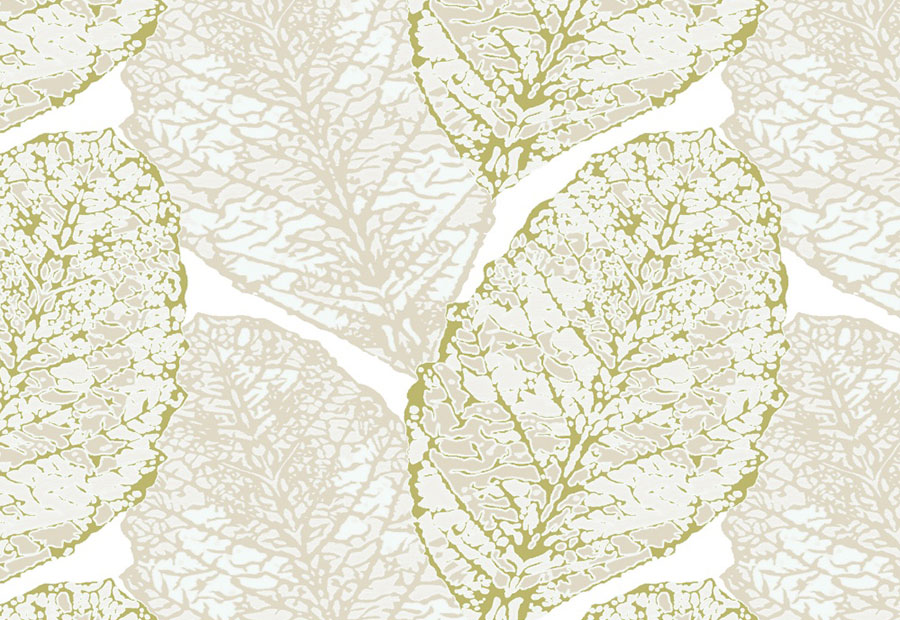 Wholesale Natural Nonwoven Wallpapers Suppliers, CompanyAs China Natural Nonwoven Wallpapers Suppliers and Natural Nonwoven Wallpapers Company, Kainolin offer Wholesale Natural Nonwoven Wallpap...View Product →
Peel-and-Stick: A Low-Waste Option for Changing Spaces
Peel-and-stick wallpaper deserves a place in the sustainability conversation, especially for rented homes, hotel feature walls, and spaces that change with the seasons. Because the backing carries the adhesive in a controlled film, there is no paste, no mixing bucket, and no sticky residue left on the wall.
Well-made peel-and-stick products remove cleanly and can often be repositioned if a panel is misaligned. That saves material and reduces frustration. The trade-off is that the substrate must be smooth and properly primed. Rough or freshly textured walls reduce both adhesion and removability, so the surface deserves as much attention as the paper itself.
If your project needs a wallcovering that can follow a tenant, shape a temporary event, or refresh a guest room without a full renovation, the natural peel-and-stick wallpaper range offers the same low-impact substrate thinking in a self-adhesive format.
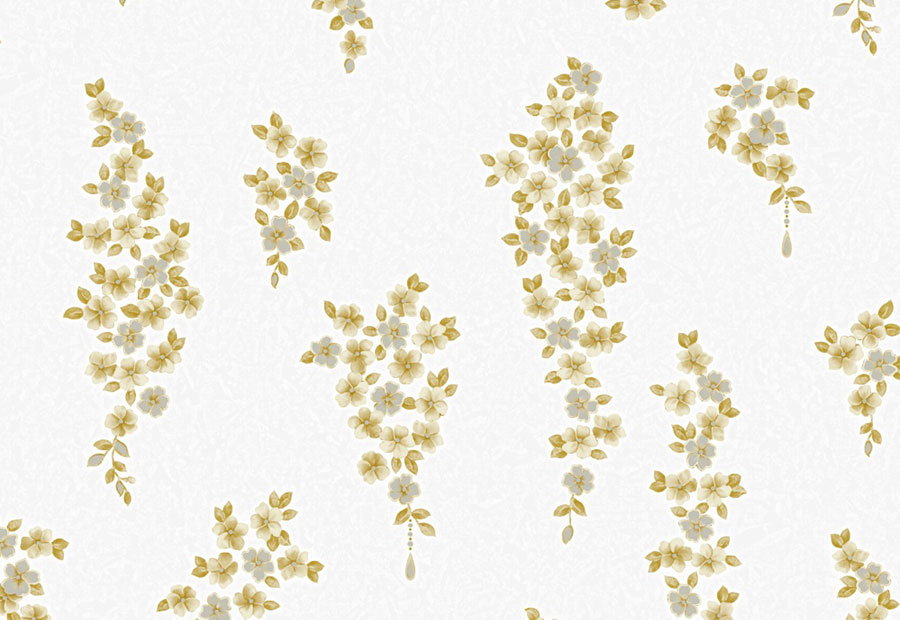 Wholesale Natural Peel And Stick Wallpapers Suppliers, CompanyAs China Natural Peel And Stick Wallpapers Suppliers and Natural Peel And Stick Wallpapers Company, Kainolin offer Wholesale Natural Peel...View Product →
Grasscloth and Natural-Fibre Wallpapers: Consider the Trade-Offs
Grasscloth, jute, and other woven natural fibres are often presented as the ultimate in sustainable wallcoverings. They are biodegradable, free of PVC, and give interiors a handmade texture that complements biophilic design. Those are genuine benefits.
However, natural woven fibres are not always the easiest material to live with. They can be delicate in humid rooms, difficult to clean, and less predictable when the room changes shape. They also tend to be supplied in narrower widths, which increases seams. That is why many specifiers treat grasscloth as a feature accent rather than a whole-room material.
For whole-room durability, a nonwoven or peel-and-stick substrate is usually the more reliable environmental choice. The material needs to support the room for years, not just look ecologically attractive on a sample board.
What to Check Before You Commit
Once you settle on a material family, run through a short verification list. These checks take a few minutes and prevent a costly mismatch between marketing claims and real performance.
- Look for a clear material declaration. The supplier should state whether the substrate is PVC-free, identify the fibre blend, and describe the printing process.
- Ask about inks and finishes. Water-based inks keep VOC levels lower, which matters in bedrooms, guest rooms, and offices.
- Request a large sample and test it in your lighting. Sustainable materials are not all equal; paper density, texture, and opacity alter the final impression.
- Verify the removal method. Dry-strippable products let a renovation crew move quickly and avoid chemical residue on the wall.
- Check the manufacturer’s production and custom capabilities. A supplier with its own factory can control waste, batch colour, and non-standard dimensions far better than a trading house.
Do not rely on a generic eco claim alone. Ask for the specification sheet, and if the supplier hesitates, treat that as a warning sign.
Matching Wallpaper to the Project
The right sustainable wallpaper changes with the use case. For a residential bedroom, a nonwoven product with a decorative pattern gives a durable finish and an easy future update. For a bathroom or rental kitchen, peel-and-stick provides easy cleaning and replacement without disturbing the rest of the room.
Hotels and commercial spaces place the highest demands on a wallcovering. It must survive luggage rakes, cleaning trolleys, and repeated wipe-downs while still looking composed after years of service. It also needs to be installed and removed within the operating schedule of the building, which means products that can be fitted dry and stripped cleanly win over those that require days of scraping.
That is why the manufacturer matters. A wallpaper factory that serves the hospitality market understands batch consistency, custom widths, and colour control. Hangzhou Kainolin positions itself as an eco-friendly wallpaper manufacturer and hotel wallpaper supplier, and its nonwoven wallpapers for commercial and hospitality projects reflect that experience. If you need layout inspiration, the site’s installation and design guidance pages are a practical starting point.
Nonwoven Wallpapers Manufacturers, OEM/ODM FactoryKainolin is Custom Nonwoven Wallpapers Manufacturers and Nonwoven Wallpapers Factory in China, OEM/ODM Nonwoven Wallpapers onlineView Product →
For higher-end projects, the ability to collaborate with interior designers also reduces waste. Custom wallcovering can be manufactured to the exact volume of the room, which avoids unsold rolls and unfinished stock. Kainolin’s recent partnership with a Singapore design studio shows how a factory can support designers who are trying to balance aesthetics, durability, and responsibility.
The Long-Term Cost Argument
Sustainable wallpaper should be assessed over its full life, not only at purchase. A slightly higher material cost can be offset by faster installation, safer removal, and a longer replacement cycle. For a fifty-room hotel, those savings repeat over every renovation, and they matter to the bottom line as much as to the building’s environmental profile.
Waste reduction is another part of the economic case. When a project orders the exact volume from a responsible manufacturer, the factory can cut waste before shipping instead of leaving the installer to discard extra rolls. In-house production also makes it easier to adjust the run to a custom wall height or a repeated pattern alignment, both of which reduce offcuts.
The most sustainable wallpaper is not the one with the best marketing slogan. It is the one that performs for years, can be removed without drama, and is manufactured by a team that can answer questions about every layer of the product.
Sustainable wallpaper does not require a compromise in quality. Choose nonwoven or peel-and-stick substrates, insist on water-based printing, verify the removal process, and work with a manufacturer that can explain its own production. When you do that, the result is an interior that looks right, lasts well, and leaves a lighter mark on the building and the planet.
EXCLUSIVE ACCESS TO PRODUCTS,
OFFERS AND INSPIRATION
-
Quick Links
Wallpapers Customize Our Story Factory News Contact Us -
Contact Us
+86-19157608277 [email protected] Room 509, T2, Fuyi Garden Center, Shangcheng District, Hangzhou City, Zhejiang Province, China

 Eco Friendly Wallpaper Manufacturer Hotel Wallpaper Supplier