
 English
 русский
 Français
 Español
 Deutsch
 عربى
عربى


Bespoke Wall Murals: Material Options, Custom Process and Procurement Tips
Content
A bespoke wall mural looks impressive in a design concept, but the real challenge begins once the client asks about material specifications, color fastness, and installation tolerances. The success of a custom mural depends entirely on the manufacturer's ability to control the substrate, the print process, and the final finish. This guide breaks down what you need to know before ordering a bespoke wall mural, from selecting a base material to verifying production details. Working with an experienced wallpaper manufacturer, such as Hangzhou Kainolin, narrows down the risks associated with large-scale custom art. Their Custom Wallpaper Series is designed for projects that demand specific dimensions, textures, and colors.
Choosing the Right Material for Your Bespoke Wall Mural
The material you choose directly affects the final appearance, the installation process, and how long the mural will last in a commercial or residential space. Three substrate options dominate the industry. Selecting the right base material is the first critical step for any project.
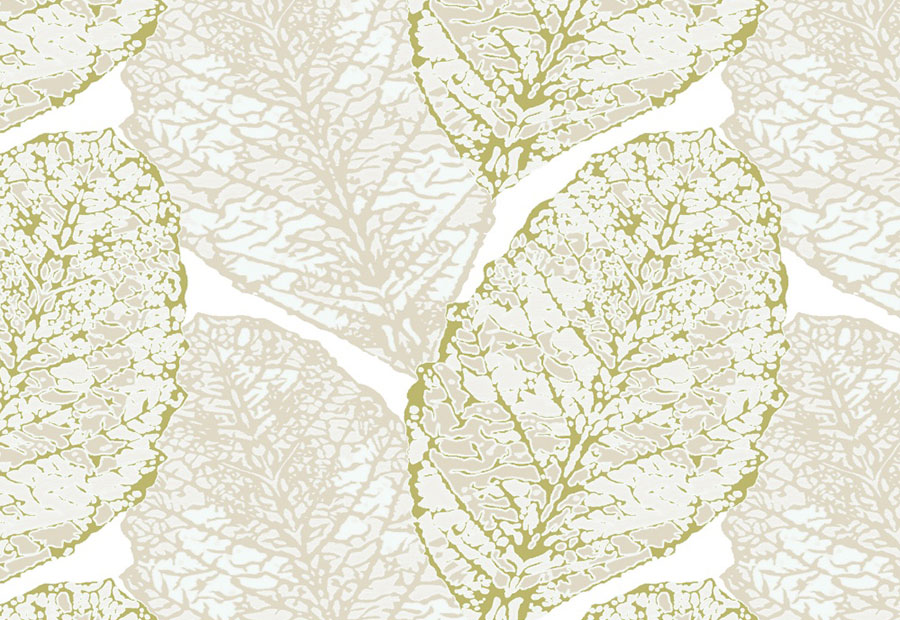 Breathable Nonwoven Wallpaper for Commercial MuralsThis nonwoven substrate prevents bubbling and hides seams with a matte finish, making it a reliable choice for seamless large-scale wall murals in hotels and offices.View Product →
Nonwoven (Fabric-Backed) Wallpaper
Nonwoven wallpaper remains a favorite for hotel suites and corporate boardrooms. It is breathable, which prevents the bubbling that often occurs with synthetic substrates. It also has a matte finish that reliably hides joint seams, making it ideal for seamless large-scale murals. The material is dimensionally stable when used with standard primers and adhesives.
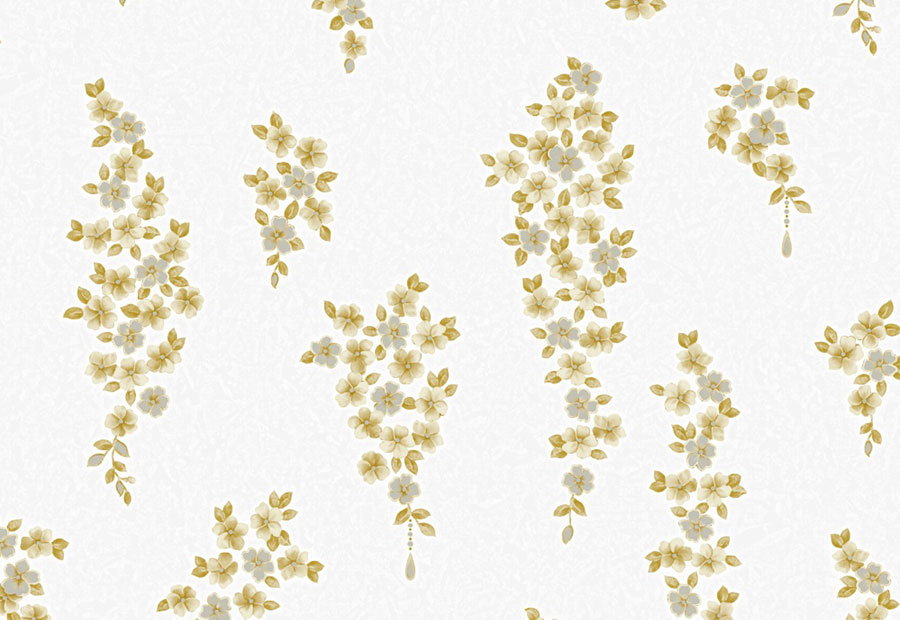 Peel and Stick Wallpaper for Temporary InstallationsIdeal for rental spaces and retail, this self-adhesive wallpaper offers fast application and removal, requiring a smooth, clean surface for best adhesion performance.View Product →
Peel and Stick (Self-Adhesive) Wallpaper
Peel and stick wallpapers have become essential for temporary exhibits, retail spaces, and rental apartments. This substrate requires a perfectly smooth and clean wall. The adhesion quality determines its successful application and its long-term removal performance. It provides the fastest turnaround for projects with tight deadlines.
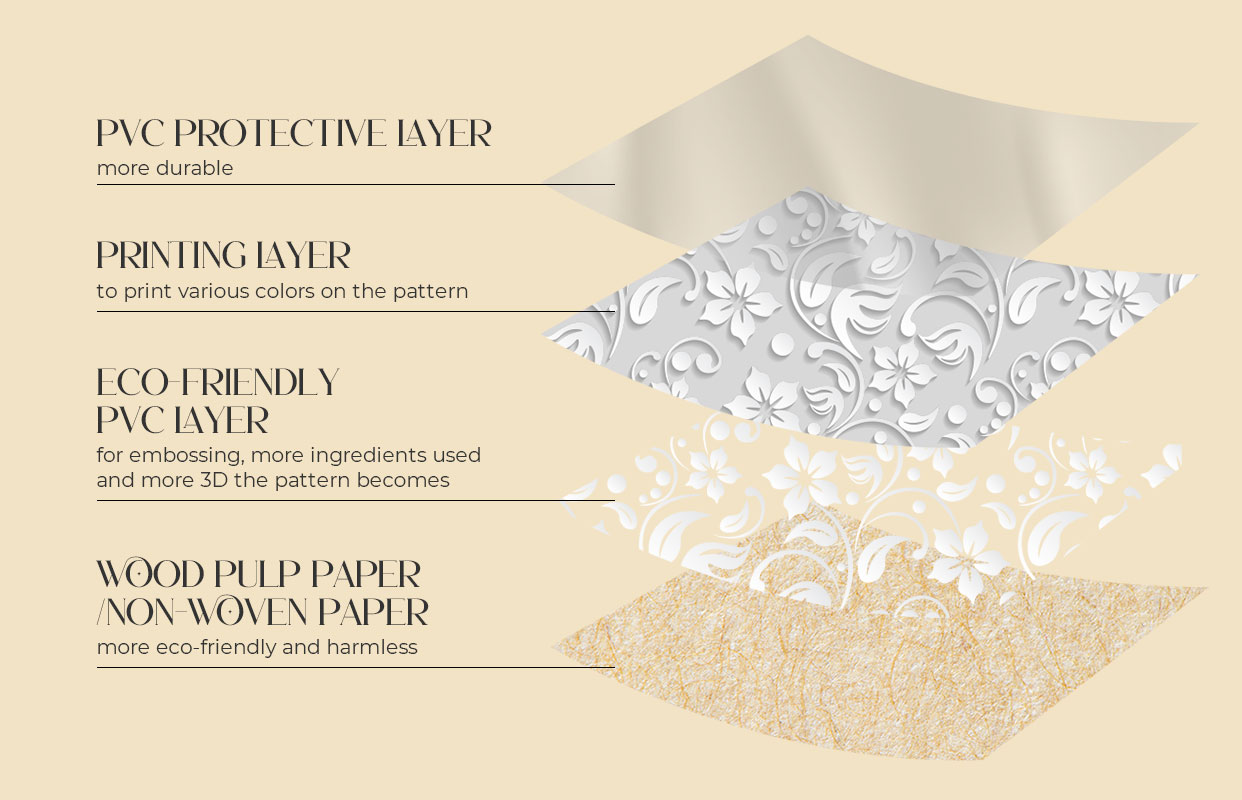 Durable PVC Wallpaper for High-Traffic AreasWith a water-resistant, scrubbable surface and vivid patterns, PVC wallpaper withstands humid or busy environments like kitchens and corridors while staying easy to clean.View Product →
PVC (Vinyl) Wallpaper
PVC wallpaper remains the standard for high-traffic areas such as hotel corridors, bathrooms, and restaurant kitchens. It is highly durable, scrubbable, and resistant to dampness and dirt. If the design involves highly detailed patterns that need repeated cleaning, PVC offers the optimal balance of visual fidelity and resilience.
| Material | Durability | Best For | Installation | Eco Impact |
|---|---|---|---|---|
| Nonwoven | High (5-10 years) | Hotels, offices, living rooms | Booked installation | Lower (breathable, recyclable) |
| Peel and Stick | Medium (3-5 years) | Rentals, retail, temporary spaces | Direct application | Low (minimal adhesive) |
| PVC (Vinyl) | Very High (10-15 years) | Corridors, bathrooms, commercial | Butt-joint installation | Higher (needs ventilation) |
Acknowledge the environmental considerations. While PVC is robust, nonwoven and peel-and-stick options often align more closely with sustainable building standards. Manufacturers like Hangzhou Kainolin offer all three substrates, allowing you to balance performance, cost, and eco-certification requirements.
Meeting the Technical Requirements of a Bespoke Mural
The manufacturing process is where the aesthetic and functional quality of a bespoke mural is decided. Without a precise technical protocol, the final product can suffer from color shifts, poor seam alignment, or premature fading. Here is the framework that governs a successful custom order.
Print Resolution and Color Accuracy
- Provide a file resolution of at least 150 DPI at the desired print size, and ideally 300 DPI for close-viewing distances.
- Specify the color profile. Converting RGB designs to CMYK is necessary for a printed surface, since some bright RGB tones cannot be reproduced accurately on wallpaper.
- Include exact physical dimensions in millimeters or centimeters, and clearly indicate the starting point of the design for the wall.
- Request a physical print sample on the exact substrate you have chosen. This lets you verify color reproduction and texture before committing to the full run.
A common issue in procuring bespoke wall murals is color mismatch. Providing a physical blank of the wall material and a printed sample ensures the manufacturer compensates for the material's base tone, avoiding the risk of a final installation that deviates from the approved concept.
Preparing the Wall Surface
For a large mural, the wall must be smooth, dry, and free from dust. A 1mm to 2mm deviation can cause visible misalignment. Professional installers sometimes use laser measurement or provide templates for outside templating to ensure the design flows correctly across uneven surfaces.
Installation Methodology
- Booked installation is recommended for nonwoven materials, where each panel is folded backward and allowed to activate the adhesive uniformly. This preserves dimensional stability over time.
- Butt-joint installation is standard for peel-and-stick and PVC, avoiding overlapping seams that could create visual lines in the final mural.
The material selection directly affects the installation methodology. An experienced supplier will provide clear guidance on which technique matches the chosen substrate.
Sizing and Wall Mapping
Large walls often come with obstacles like window frames, electrical sockets, and doors. A precise wall mapping process, where the contractor measures the exact dimensions of every section, allows the manufacturer to design panels that fit around these obstacles without distorting the artwork. Extreme tolerances must be accounted for, especially when the mural spans multiple walls or a critical visual focal point.
Warranty and Maintenance
Check the warranty period for peeling and color fading. High-quality nonwoven and PVC products typically offer a 5-year warranty for indoor use. Regular maintenance with a soft microfiber cloth and pH-neutral cleaning solution helps maintain the mural's condition. Avoid harsh solvents, which can damage the topcoat and alter the design's color vibrancy.
Bespoke Murals for Hotels, Offices, and Residences
Hotels and Hospitality
In the hospitality sector, a bespoke mural is often the centerpiece of a lobby or a themed restaurant. Beyond aesthetics, hotel operators require fire-rated, durable materials that withstand daily cleaning and humidity. The custom wallpaper must also integrate into the property's acoustic design and meet strict local building codes. In a hotel, the mural area might be subject to constant contact with luggage carts and cleaning equipment. A robust PVC substrate with a protective topcoat is often specified for high-contact zones. Meanwhile, for guest rooms, nonwoven materials offer a quieter, more premium atmosphere, reducing noise transfer and improving thermal insulation.
Corporate Offices and Retail Spaces
For corporate environments, murals communicate brand identity. They turn long corridors into product halls and reinforce the company's visual language. For retail, the focus is on quick changes and high-impact graphics. Peel-and-stick substrates offer a viable solution for seasonal campaigns, while nonwoven fabrics provide a premium, permanent feel. For large corporate projects, a phased installation plan is required to avoid disrupting daily operations. The manufacturer should be able to deliver panels in a specific sequence, ensuring that the design stays cohesive while allowing the installation team to work in stages.
Residential Homes
In private residences, the need for eco-friendly materials is often paramount. Homeowners increasingly look for VOCs-free inks and breathable substrates. The shift toward sustainable and customizable wallcoverings is evident across the market. For projects that prioritize both design flexibility and ecological balance, the Natural Pulse series from Kainolin offers a compelling solution.
What to Verify Before Placing a Custom Mural Order
Production Lead Times and Samples
Always ask for a sample and clarify the lead time for both the sample and the complete order. A reliable manufacturer will provide a clear production schedule, typically ranging from 10 to 15 days for sample production and 20 to 30 days for the full run, depending on the order volume and material availability.
Color Consistency and Batch Control
For bespoke designs, ensure the manufacturer uses the same batch of ink and substrate to avoid color shifts between panels. Request a tolerance specification, such as a 2-3% color variation threshold. High-quality suppliers maintain strict batch numbers to guarantee that panel 1 matches panel 10, 20, and 100.
Logistics and Installation Responsibility
Custom sizes require careful packaging. Check the shipping terms, especially for trims and wall heights. It is also wise to verify if the supplier provides installation guidance or a technical manual. If you are unsure about the latest material technologies, exploring the inspiration section can help align your design intent with feasible manufacturing options.
Budgeting for Bespoke
Budgeting for a bespoke mural extends beyond the cost of the material itself. You must factor in the printing setup, the custom sizing, the transportation, and the professional installation. Request a full price breakdown to avoid unexpected expenses. A common procurement risk is the misunderstanding of what the unit price includes. Ordering through a distributor often adds a markup, whereas working directly with a manufacturer reduces costs and communication gaps. Direct collaboration helps ensure that the production team understands the design intent and can immediately resolve technical issues on the factory floor before they affect the final product.
Final Thoughts on Bespoke Wall Murals
A bespoke wall mural is never just a decorative afterthought. It is a structural element that requires careful planning across material selection, print technology, and installation logistics. By addressing these technical factors early and working with a manufacturer that controls the entire production process, you can deliver a stunning, durable wall mural that fits the space perfectly.
Whether you are designing for a boutique hotel, a corporate headquarters, or a private home, the right custom wallpaper partner will help you turn an artistic vision into a reliable, long-lasting reality.
EXCLUSIVE ACCESS TO PRODUCTS,
OFFERS AND INSPIRATION
-
Quick Links
Wallpapers Customize Our Story Factory News Contact Us -
Contact Us
+86-19157608277 [email protected] Room 509, T2, Fuyi Garden Center, Shangcheng District, Hangzhou City, Zhejiang Province, China

 Eco Friendly Wallpaper Manufacturer Hotel Wallpaper Supplier