
 English
 русский
 Français
 Español
 Deutsch
 عربى
عربى


High Performance Wallpaper: How to Specify Durability, Cleanability, and Value
Content
A 200-room hotel project puts wallpaper to the test twice: at check-in, when a guest forms a first impression, and again when housekeeping tries to wipe a stain off the wall. The second test is where most decorative wallcoverings fail. High performance wallpaper is not a luxury upgrade reserved for lobbies. It is a specification decision that determines whether a wallcovering survives its first year of heavy use, what the maintenance routine costs, and whether the next renovation can be finished without drywall repairs.
In practical terms, a wallpaper earns its performance label when the substrate, surface finish, and installation method deliver measurable resistance to abrasion, moisture, and repeated cleaning while still looking intentional. The sections below walk through what to measure, which substrate to choose, and what to ask the factory before you order.
What Makes a Wallpaper High Performance?
Four measurable attributes separate a wallcovering that handles daily traffic from one that only photographs well:
- Abrasion resistance. How well the surface survives scuffs, door swings, luggage trolleys, and furniture that rests against the wall.
- Cleanability. How many times a stain can be wiped away before the finish loses its sheen or color.
- Dimensional stability. How much the material stretches, shrinks, or curls at the seams when adhesive and humidity do their work.
- Hiding power. How effectively the covering masks hairline cracks, drywall joints, and slight unevenness in the wall below.
A pattern can be beautiful and still score poorly on all four points. That is why the performance label belongs to the physical construction of the product, not to its design. For most commercial projects, the factory test report tells the story more honestly than the sample book.
Three Substrates, Three Performance Profiles
The fastest way to shortlist a high performance wallpaper is to choose the substrate family first, then narrow by style. The three families that appear in commercial specification behave very differently under the same use patterns.
Nonwoven Wallpaper: Built for Corridors and Guestrooms
Nonwoven wallpaper is made from a blend of natural and synthetic fibers bonded into a stable sheet. It breathes, which reduces the risk of mold and peeling in humid climates; it tears less during hanging because the fibers distribute stress; and it strips off dry when the next renovation arrives. For hotel guestrooms and corridors, nonwoven is a dependable default because it combines ease of installation with clean removability.
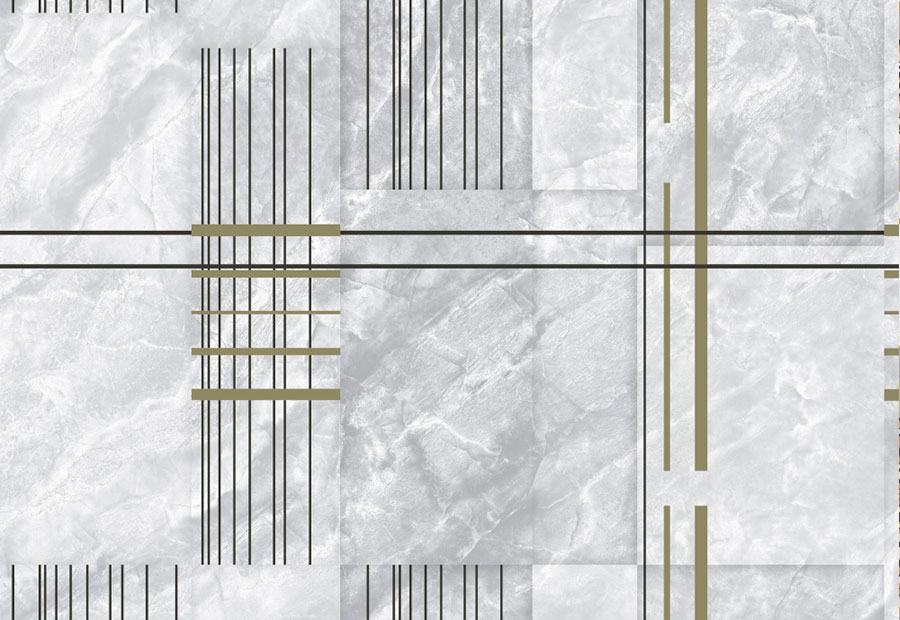 Modern Nonwoven Wallpapers with Abstract, Geometric, and Marble DesignsThis wallpaper family offers breathable, durable nonwoven material with crisp patterns ideal for hotels and corridors. Its high-definition print and light-reflective surfaces suit modern interiors needing easy installation and clean removal.View Product →
PVC Wallpaper: The Workhorse for Washable Surfaces
PVC wallpapers carry a vinyl coating that gives the surface a thicker wearing layer. That layer resists marks, grease, and chemical cleaners, which is why vinyl-coated walls appear in dining areas, family zones, and service corridors. The trade-off is breathability: PVC needs a clean, dry substrate and adequate room ventilation to prevent moisture problems behind the surface.
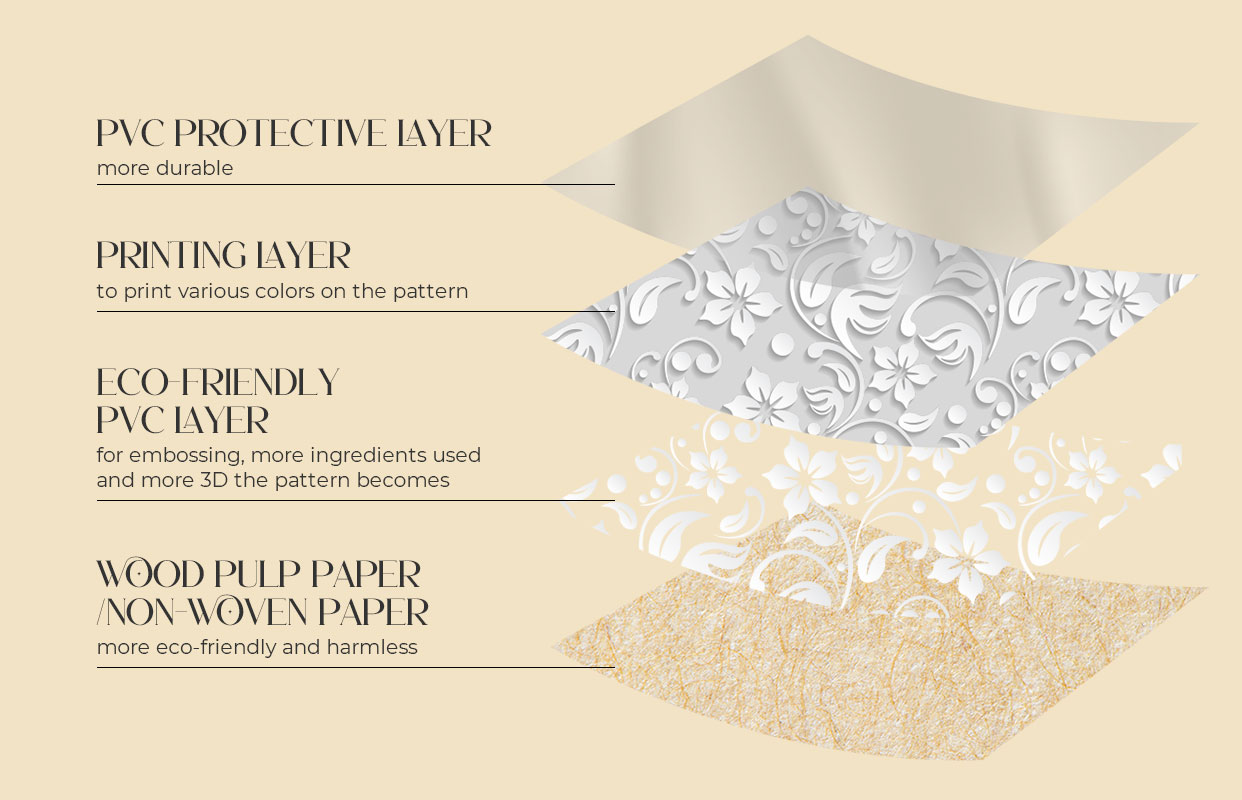 PVC Wallpaper with Durable Vinyl Coating for High-Traffic AreasVinyl-coated PVC wallpaper resists marks, grease, and chemical cleaners, making it practical for dining areas and service corridors. It provides vivid patterns and easy maintenance, though it requires a dry substrate and ventilation.View Product →
Peel and Stick Wallpaper: Performance Without the Mess
Peel and stick wallpapers replace paste with a pressure-sensitive adhesive backing. They go up fast, reposition during installation, and peel off cleanly without steaming or scraping. That makes them attractive for rental apartments, exhibition spaces, and brand refresh projects where downtime is expensive. The main limitation is texture: a heavily textured wall will show through, so the substrate must be smooth and well sealed.
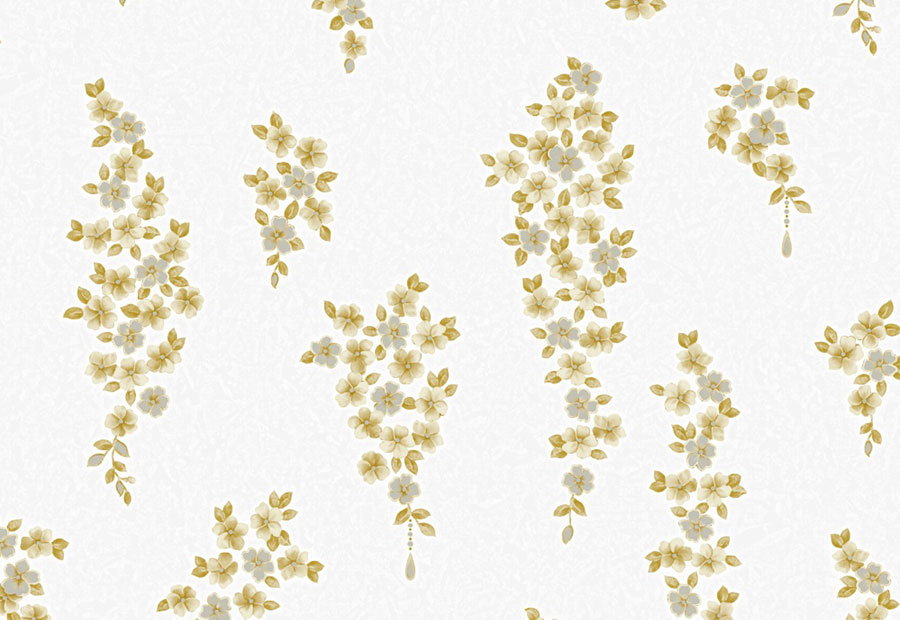 Peel and Stick Wallpapers with Quick Installation and Clean RemovalPressure-sensitive adhesive backing allows fast, repositionable installation and easy peeling without steaming. Ideal for rentals or brand refreshes on smooth walls, offering stylish patterns without downtime, though textured surfaces may show through.View Product →
Across all three families, the style choices cover vintage, modern, classic, and natural directions, so performance and design can be evaluated separately until the final shortlist. For layout and pattern planning, the get inspired gallery offers practical application ideas.
The Numbers Behind the Performance Claim
Adjectives are easy; a spec sheet is harder. When you compare products, ask for the numbers behind each attribute, because those numbers determine what the wallcovering does in year two, year five, and year eight.
| Attribute | What It Measures | Realistic Commercial Target |
|---|---|---|
| Abrasion resistance | Tolerance for scuffs, scrapes, and repeated contact | 1,000 rub cycles or more |
| Washability class | Number of cleaning passes the finish survives | Class 2 or higher (scrubbable) |
| Lightfastness | Color retention under daylight and artificial light | Blue wool scale 4–5 |
| Dimensional stability | Stretch or shrinkage after pasting and under humidity | Less than 1% dimensional change |
| Peel adhesion | Bond strength at edges and joints, especially for peel and stick | No visible lifting after a 24-hour pull test |
Two figures deserve extra attention. Washability class tells housekeeping what they can safely do: a class 2 finish withstands scrubbing with a soft brush and mild detergent, which is the difference between a stain that disappears and a stain that becomes permanent. Abrasion resistance matters most at impact height, the band between the baseboard and roughly four feet up, where trolleys, chair backs, and luggage make contact.
Ask whether the factory publishes these values for the exact article number and colorway you plan to use. They can vary with coating weight and production batch.
What to Ask Before You Commit
Procurement mistakes in wallcovering rarely start at the design stage. They start with overlooked variables such as shading batches, roll lengths, and lead time. These checks apply to nearly every commercial project:
- What is the coating weight on the exact product and colorway? It is the clearest single indicator of durability.
- What washability and abrasion tests back the claim? A manufacturer with in-house production, like Hangzhou Kainolin Decorative Materials Co., Ltd., can share the supporting test documentation.
- What adhesive and surface preparation does the substrate require? Some products need a particular paste and a sealed wall to perform as tested.
- How are dye lots managed, and what is the shading tolerance? For a property with hundreds of rooms, you need rolls from the same production lot to avoid a visible change where corridors and elevator lobbies meet.
- What is the lead time, and can the line be produced to custom wall heights? A factory that accepts custom specifications reduces both waste and on-site cutting.
If the project is international, confirm that the product characteristics match local installation conditions. A nonwoven product that performs in a dry continental climate may need different handling in a coastal market; a manufacturer with export experience should flag this before you place the order.
Performance and environmental responsibility are converging. Specifiers increasingly check material composition, which is why product programs such as the Natural Pulse series treat durability and sustainability as a single design statement. The same logic applies to your project: the most sustainable wallpaper is the one that does not need replacing after two years.
High performance wallpaper, properly specified, is a quiet engineering decision. The substrate matches the traffic, the finish matches the cleaning protocol, and the numbers match the real-world demands of the building. Choose that way, and the wallcovering still looks sharp long after the renovation scaffolding comes down. That kind of performance does not need to be visible; it shows up in fewer repairs, lower maintenance cost, and guests who stop to look at the wall.
EXCLUSIVE ACCESS TO PRODUCTS,
OFFERS AND INSPIRATION
-
Quick Links
Wallpapers Customize Our Story Factory News Contact Us -
Contact Us
+86-19157608277 [email protected] Room 509, T2, Fuyi Garden Center, Shangcheng District, Hangzhou City, Zhejiang Province, China

 Eco Friendly Wallpaper Manufacturer Hotel Wallpaper Supplier